September 24, 2026
Just How Best Fence Companies Manage Subcontractors and Quality
By @fencingmakertaud099
Walk onto most job sites and you can tell, within minutes, whether a fence crew is being managed well. The posts are plumb. The gates swing without rubbing. The lines stay straight even when the yard is not. None of that happens by luck. It comes from systems that coordinate subcontractors, scheduling that respects curing times, and quality checks that catch problems before they turn into callbacks.
When people search for the best fence installers, best fence contractors, or the best fence companies, they are often thinking about the final look. But the real differentiator is usually what happens behind the scenes: how the company hires and trains subcontractors, how it supervises the work once crews arrive, and how it measures quality at multiple stages, not just at the end.
The subcontractor reality: quality is a process, not a single crew
Many fence projects are done with a blend of in-house and subcontracted labor. Even companies with strong internal crews may use subcontractors for specialty work like vinyl, masonry, gates, or higher-volume seasons. That can be a good thing. It allows scaling without forcing a full-time staff to sit idle when demand dips.
But subcontracting brings a risk that homeowners never see directly. Two crews can build the “same” fence and still produce different results if their training, tools, and work habits do not match. Soil conditions, layout challenges, and material handling all require judgment. If the company does not standardize that judgment, you can end up with uneven post spacing, misaligned rails, or a gate that looks fine until the first hard wind.
The best fence companies treat subcontractors like partners in a repeatable system. They do not just hand out jobs and hope for the best. They set expectations in advance, monitor progress at key points, and correct course while there is still time to fix things without redoing everything.
Hiring and onboarding: the gate is where quality starts
Before a subcontractor ever touches a shovel, the better companies screen for work habits that correlate with craftsmanship. That sounds simple, but it takes real effort. The goal is not to find someone who can build a fence in general. It is to find someone who can build the specific type of fence you are selling and can do it consistently to the company’s standard.
Onboarding typically starts with clear job requirements. A fence installer might understand general fence building, but every company has its own methods for site prep, layout, hardware selection, and cleanup. The best companies also verify that subcontractors can follow instructions without improvising away the details that matter.
In practice, that can include:
- learning the company’s measurement and marking process
- confirming how they handle damaged materials
- agreeing on how they document progress with photos
- understanding what “finish quality” means for rails, pickets, and gates
What I have seen over the years is that the subcontractors who do well under this system usually already care about precision. They do not resist check-ins. They ask questions early, before they commit to a layout. They treat the plan as something to execute, not something to reinterpret on the fly.
Planning and scheduling: crews need the right conditions, not just a start time
Fence work looks straightforward from a distance, but the sequence matters. Concrete needs time to set. Panels need to be installed when the posts are stable. Gates often require fine adjustments after the first pass. If a company schedules poorly, even a skilled crew can be forced into rushed decisions.
When a fence company manages subcontractors well, scheduling becomes part of quality control. They coordinate:
- deliveries (so crews are not stuck waiting and then reinstalling later)
- access to the yard (so layout work is accurate on day one)
- inspection timing (so issues surface early)
- weather planning (especially for concrete and adhesive components)
One detail that gets overlooked is material staging. Vinyl, composite, and coated metal products can be damaged by mishandling or storage in the wrong conditions. A competent company organizes deliveries and makes sure the crew knows how to store and protect materials until installation.
I have also watched projects Visit this site stall because the layout took too long on the first day. The subcontractor may be waiting for approvals, or the company may be sorting out property line questions. In those cases, the best fence companies either keep the crew engaged with site prep tasks that can be done without impacting final accuracy, or they adjust the plan to prevent wasted time and rushed rework. Quality tends to survive when the schedule respects the physics of the job.
The “layout check” that saves the entire job
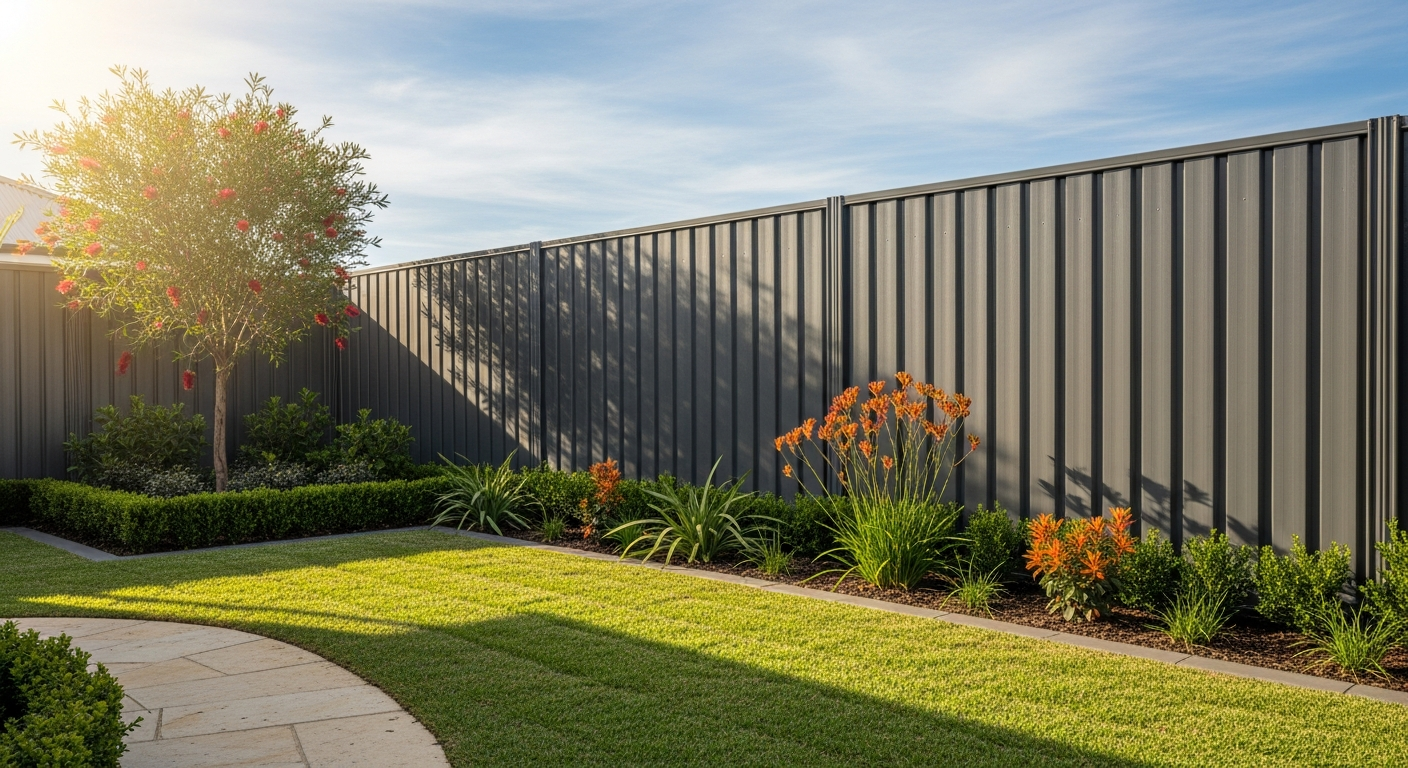
If you want one moment that shows whether a fence company truly manages subcontractors, it is the initial layout. A fence line looks simple on paper, but yards rarely behave like straight math. There are existing landscaping features, sprinkler lines, uneven grade, and sometimes utility markers that require caution.
The top companies treat layout as the foundation and build quality checks around it. A subcontractor may be great at drilling and setting posts, but if the layout is off by even a small margin early, everything downstream becomes harder.
A strong process usually includes:
- verifying measurements against the approved plan
- marking post locations consistently
- checking angles and sight lines before digging
- confirming gate placements relative to the opening and clearance
I once worked with a homeowner whose fence ended up with a slightly skewed gate. The gate was “installed correctly” per the subcontractor, but the gate opening had been shifted during layout when the crew dealt with a surprise obstruction. The company eventually corrected it, but it took extra hardware adjustments and time. The lesson stuck with me: layout is where communication and judgment matter most, and the company has to own that part of the process, not just the crew.
Standardizing workmanship without erasing craftsmanship
A common misconception is that the best fence companies lock subcontractors into robotic methods. In reality, the goal is consistency, not sameness. Different yards demand different approaches. Quality management has to allow judgment while eliminating the habits that cause avoidable problems.
Think about post setting. In many regions, the “right” method depends on soil type, frost depth, and local practice. Even when the company cannot control soil, it can standardize how the crew approaches evaluation and documentation. For example, some companies require the subcontractor to confirm measurements for depth and spacing against the design spec and the company’s recommended practice.
Similarly, with fence leveling on sloped ground, there are multiple ways to handle grade differences. A quality company will have a policy for when to step down in sections, when to follow grade with a consistent top rail, and when to adjust picket lengths or use post-to-post variation. That policy should be reviewed during the design stage, and then reaffirmed during installation if conditions change.
What you want is a subcontractor who can explain why a decision was made, and a company that can back it with a standard that makes sense for the material and the style. When a homeowner asks why a rail is slightly higher at one end, the company should be able to give a clear, grounded answer, not a guessing game.
Quality inspections at multiple stages, not just a final walk-through
The most reliable quality control is staged. A company that only inspects at the end may miss the exact moment a problem forms. By the time the finish work is done, errors can be hidden under panels, caps, and trim.
Well-run companies inspect at several points. The exact checkpoints vary by material and design, but the principle stays the same: catch mistakes early, when they are easier and cheaper to correct.
Early-stage checks might focus on:
- post plumb and spacing
- concrete consistency and cure timing compliance
- alignment of top rails or reference lines
- hardware placement that affects gate swing and latch alignment
Mid-stage checks keep the job on track once the structure is visible. The finish stage then focuses on appearance and touch points, like panel spacing uniformity, straightness of lines, and overall cleanup.
This approach also improves subcontractor performance over time. When a company’s feedback loop is prompt and specific, crews adjust their methods. When feedback comes late, it often turns into arguments about who is to blame. The best companies keep that from happening by building checks into the workflow and by documenting outcomes.
Documentation that prevents finger-pointing
Fence projects can get tense because there is often a long list of small details that affect the final result. A homeowner may notice a gap they cannot unsee. A gate may scrape. A section may look darker because of different material batches or sun exposure. Without good documentation, it is easy for these issues to become disputes.
The best fence companies manage subcontractors by reducing ambiguity. They take photos at key moments, keep paperwork aligned with the approved design, and track any changes. If a layout shifts due to a buried line, the company should document it and confirm the revised plan before continuing.
From a homeowner perspective, documentation helps because you get clear explanations tied to evidence. From a subcontractor perspective, it helps because the job is less subjective. It is easier to build to a standard when everyone can point to the same references, like the approved measurement set and the design intent.
Material handling and installation standards that matter on day one
Subcontractors are often evaluated on visible craftsmanship, but a lot of quality lives in details homeowners rarely think about until something goes wrong.
Material handling is one of those hidden areas. For example:
- coated metal posts and rails can be marred during handling if tools and storage are sloppy
- vinyl panels can warp if stored improperly before installation
- wood fence boards can cup, twist, or split if exposed to conditions that affect moisture balance
- gate hardware can wear prematurely if alignment is forced
A best-in-class company sets standards for staging materials and managing installation sequence. They instruct subcontractors on how to protect finished surfaces, how to maintain consistent spacing, and how to avoid shortcuts that might “work” today but fail after seasonal changes.
You can usually tell when a company is serious because the finished work looks consistent even under close inspection. The screw heads sit cleanly. The rails follow the intended line. The gate hardware looks like it was adjusted rather than cobbled together.
The feedback loop: how issues get corrected without damaging relationships
Subcontractors are not robots. They are people with their own methods and habits. Quality management has to include how feedback is delivered and how disagreements are handled.
A smart company has two goals at once: fix the issue and preserve the subcontractor’s willingness to improve. That means feedback should be specific. “Make it better” does not help. “Your posts were out of plumb by this amount at these locations” is actionable. Photos help. Measurements help. A clear explanation of the standard helps.
On the homeowner side, communication also matters. If there is a potential issue, the company should not let the subcontractor decide whether it is worth mentioning. The company owns the customer experience. The best fence contractors and best fence companies handle that by explaining what will be done, how long it will take, and whether there is any impact to timeline or cost.
Sometimes corrections are simple, like re-spacing panels or adjusting latch alignment. Sometimes they are bigger, like redoing sections if post movement occurred before concrete cured properly. A mature quality system anticipates these possibilities and creates realistic plans for resolving them.
Training crews on common edge cases
The most expensive fence mistakes are not the flashy ones. They are the predictable edge cases that happen when crews do not share a common understanding of how to respond.
Some examples of situations where a managed subcontractor network shows its value:
- uneven grade that tempts a crew to “wing it” rather than follow the design leveling plan
- gate installations that require attention to clearances and consistent post alignment
- areas with underground utilities or irrigation lines that complicate digging
- corners and runs that need proper angle measurement to prevent visual drift
- existing fence tie-ins where the old work is out of square and the new line needs a decision: correct to existing or correct to new layout
When a company trains subcontractors on these edge cases and provides decision guidance, quality becomes repeatable. Without training, crews improvise. Improvising can work, but it is a gamble, especially if multiple crews touch different phases of the same property.
One yard may only have a few unusual features. Another may be full of obstacles. The best companies treat obstacles as part of the normal job and equip subcontractors with strategies, not just hope.
Who should own quality: the company, not the subcontractor
This is the uncomfortable truth: subcontractors do the physical work, but the fence company is responsible for the end result in the eyes of the customer. That responsibility shows up in what happens when something goes wrong.
A strong company makes it clear how issues are handled. It does not push blame onto the subcontractor. It also does not ask the homeowner to absorb defects as a matter of “learning.” Instead, it owns the repair plan. If a post is out of plumb beyond acceptable tolerance, the company arranges corrective work. If a gate alignment is wrong, the company makes it right.
This ownership is part of what people are really buying when they choose the best fence installers or the best fence contractors. The price is not just for labor and materials. It is for coordination, supervision, and accountability.
Practical metrics companies use, even if they never call them metrics
Not all fence companies talk in numbers, but the best ones behave like they do. They track patterns and respond with process improvements. You might see this in the way they treat repeat crews, how quickly they schedule follow-up inspections, or how often they revisit onboarding.
A company that truly manages subcontractors often keeps internal notes on:
- rework frequency by subcontractor or by fence type
- common problem locations, like corners or gates
- customer complaints tied to specific steps in the process
- timing issues related to cure windows and material install sequence
They might not publish these numbers, and that is fine. The important part is that they use the information to prevent the same failure from happening on the next job.
When you hear a company explain, calmly, “We’ve tightened our post-setting check because this issue popped up last season,” you are hearing quality management in action. That approach matters more than marketing claims.
How payments and incentives can either help or hurt quality
Subcontractor management is also about incentives. If a subcontractor is paid in a way that encourages speed over accuracy, quality suffers. If payments align with milestones and inspections, quality improves.
In well-run systems, money often follows verification. For example, a company may tie part of payment to post setting completion with inspection sign-off, then another payment after framing and alignment are verified, and final payment after finish quality and cleanup are confirmed.
That structure reduces temptation to rush or to skip checks. It also encourages subcontractors to care about documentation, because payment depends on it.
The downside is that strict milestone-based systems require more coordination. The company needs someone to inspect, someone to schedule follow-up, and someone to resolve issues quickly. If the company cannot staff that, milestone payments can create delays. That is why “best fence companies” are not just about subcontractor skill, they are also about internal capability.
Communication that prevents surprises
Homeowners tend to remember the most stressful moments: when they think something is wrong and no one answers quickly, when the fence looks different than expected, or when a change is requested midstream.
Quality management includes communication discipline. When subcontractors are in the yard, the homeowner should not feel like they are watching two separate businesses operate independently. The company should be the single point of contact, with subcontractors supporting execution.
In practice, that means:
- regular status updates tied to milestones
- clear explanations when adjustments are needed due to site conditions
- prompt responses when a question affects installation decisions
- transparency about what can be changed without compromising structural integrity or warranty terms
I have seen projects go smoother when the company sets expectations early. For instance, if a gate might need minor adjustment after the concrete cures, the company should say so upfront. Then, when the adjustment happens, it feels like normal fine-tuning rather than a sign of failure.
A simple way to evaluate a fence company’s subcontractor management
You cannot watch every inspection point during the job, but you can ask questions that reveal how the company thinks. The best fence installers and best fence contractors usually respond with clarity, not vagueness.
Here is a short set of questions that tend to separate careful operations from guesswork:
- Who performs the layout, and how do you confirm it before digging?
- Do you inspect posts and alignment after they are set, before the fence is finished?
- What is your process for documenting changes if you encounter an unexpected site condition?
- How are subcontractors trained and evaluated for quality on this fence type?
- How do you handle rework, and who is responsible for the fix?
Listen not just to the answers, but to how confidently the company explains the workflow. Companies that manage subcontractors well have learned how to talk about their process because they rely on it.
What “quality” really looks like after the job is done
The goal of all this subcontractor management is durability and satisfaction. Quality is not only the day it is installed. It is what happens when the weather shifts, when the yard settles, and when people use the gate a hundred times.
Good fences show up in subtle ways:
- posts stay plumb over time
- rails remain straight and do not twist
- gates latch smoothly without forcing
- fence lines hold their intended shape even on imperfect ground
- hardware does not loosen quickly because alignment and fastening were done correctly
A subcontractor can produce a decent-looking fence quickly. But the best fence companies aim for long-term performance. That requires process control early, thoughtful supervision during installation, and consistent standards for finishing.
The trade-offs: speed, cost, and the temptation to cut corners
It is worth acknowledging the uncomfortable trade-offs. A tightly managed subcontractor system can cost more and take more scheduling discipline. It may require extra inspections. It may require returning to adjust something after the concrete cures. Those steps take time, and some homeowners feel pressure to reduce “non essential” work.
I understand that impulse. Budgets are real. Weather and scheduling constraints are real too. But fencing is one of those projects where skipping steps can create the kind of problems that are expensive to fix later.
A company that rushes might save money on the front end. It might also create rework, callbacks, and customer frustration. In the long run, that often becomes more expensive than doing things right the first time.
The best fence companies manage subcontractors with the idea that small process costs are cheaper than big structural mistakes.
When subcontracting is a strength, not a weakness
Subcontractors can be a real strength when the company manages them like a quality system. The subcontractor network can broaden the company’s coverage, bring specialist skills, and handle peak demand without sacrificing craftsmanship.
The difference is whether the company builds consistency into the job. That is how you get repeatable results even when different crews touch different parts of the work across the season.
If you have ever had a fence installed that looked great for the first season and then developed alignment issues, you have seen what happens when process control is weak. If you have had a fence that still looks straight and solid after multiple seasons, that usually means someone cared about more than the visible finish.
The bottom line homeowners feel
As a homeowner, you want your fence to look right, function well, and last. You also want the experience to feel organized, with fewer surprises and faster answers when questions come up.
Behind that experience is how a fence company manages subcontractors: how it sets expectations, schedules work so curing and finishing happen in the right order, checks quality at key moments, and resolves issues without turning the job into a blame game.
That is why the best fence installers and the best fence contractors stand out. They do not just build fences. They run a system that makes good results likely, even when the yard is tricky, the weather is unpredictable, and subcontractors are part of the plan.
When you choose a award winning fence company company with that kind of management, you are buying more than a material package. You are buying the control needed to get the fence you actually pictured, and the confidence that it will still perform the way it should long after install day.
❧